Mpumalanga
Description
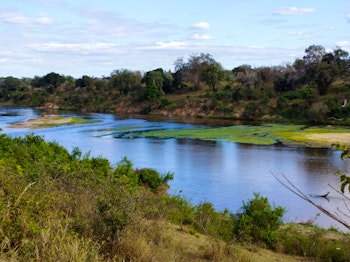
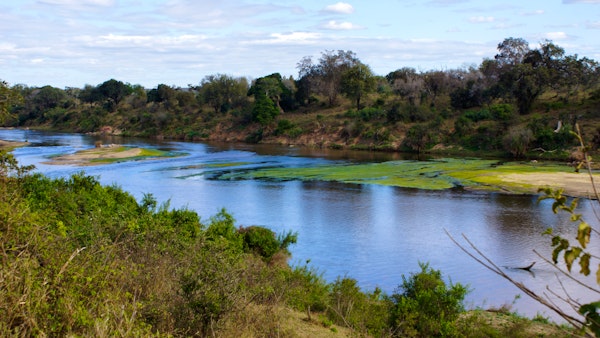
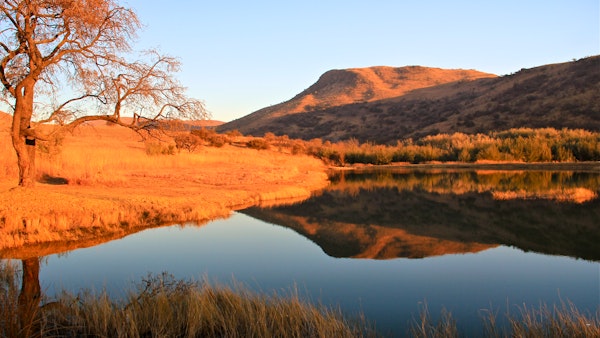
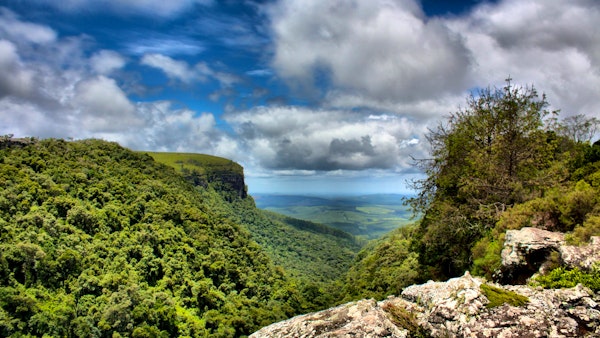
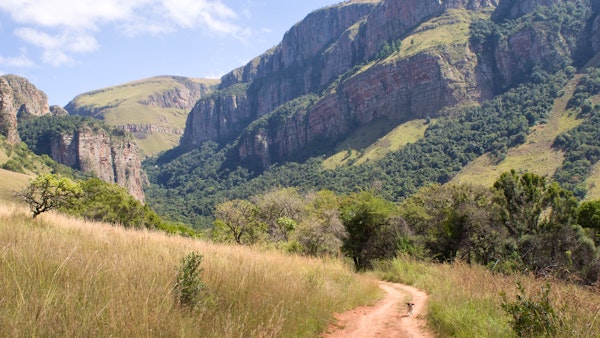
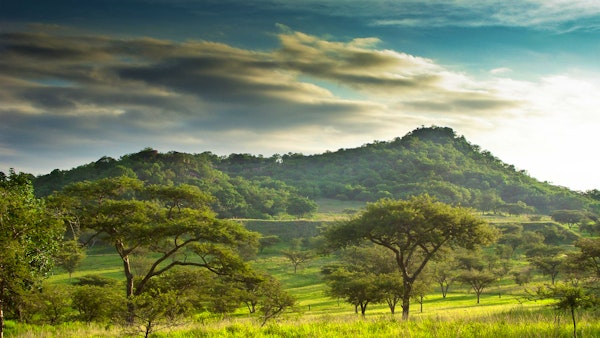
Mpumalanga means “the place where the sun rises” and it’s no surprise that the province is known for its astounding natural beauty; a landscape where cascading waterfalls meet wetlands, deep forests, and savannahs filled with grazing wildlife. With ziplines, horse riding, hiking trails, the Panorama Route, and the Kruger National Park, Mpumalanga offers a jam-packed itinerary for young and old.
The Mpumalanga Province occupies the north eastern region of South Africa. Mpumalanga has a largely subtropical climate due to its latitude and close proximity to the warm Indian Ocean, making it an ideal holiday destination at any time of the year. Each town has a rustic charm of its own with an array of accommodation options to suit all needs and budgets.
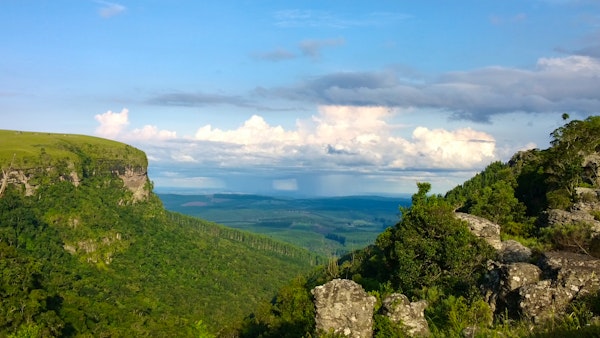
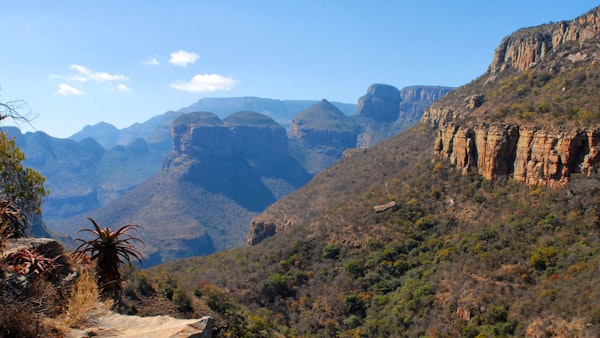
Bordering Limpopo, Gauteng, Free State, and KwaZulu-Natal, as well as Swaziland and Mozambique, Mpumalanga is the ideal gateway to a number of tourist regions. Within the province, you can enjoy explore the Highlands, Panorama Region, Cultural Heartland, Lowveld, Cosmos Country, Wild Frontier, Grass and Wetlands, and, of course, the Kruger National Park. Mpumalanga is a nature lover’s paradise. The Panorama Route is an exceptional tourist route that simply cannot be missed. Iconic landmarks include the Blyde River Canyon (the largest green canyon in the world), God’s Window, Bourke’s Luck Potholes, Three Rondavels, and an abundance of waterfalls.
Cosmos Country, known as the “energy belt” of Mpumalanga, includes the towns of Secunda, Delmas, Leandra, Bethal, Standerton, Balfour, and Greylingstad. This region is exceptional in late summer when the fields erupt in a plethora of cosmos flowers.
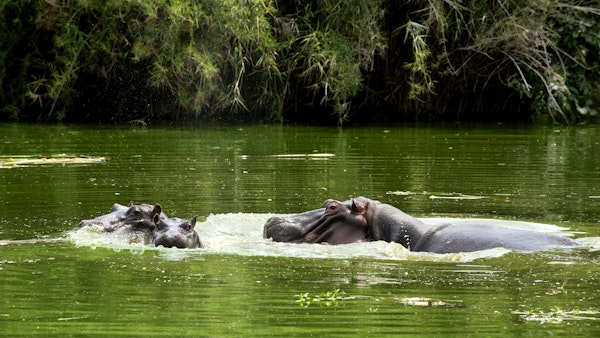
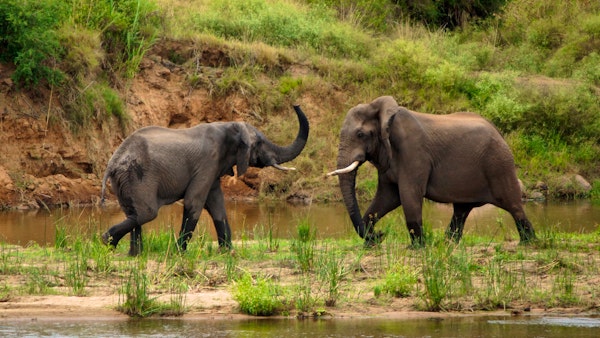
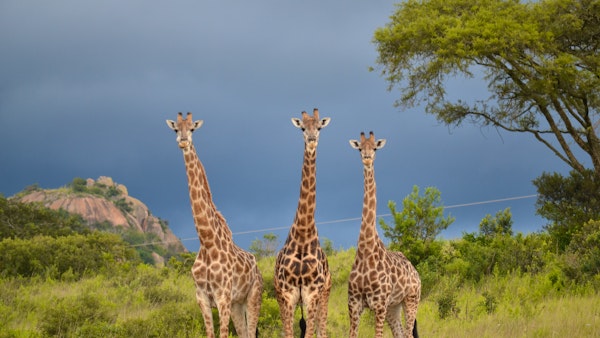
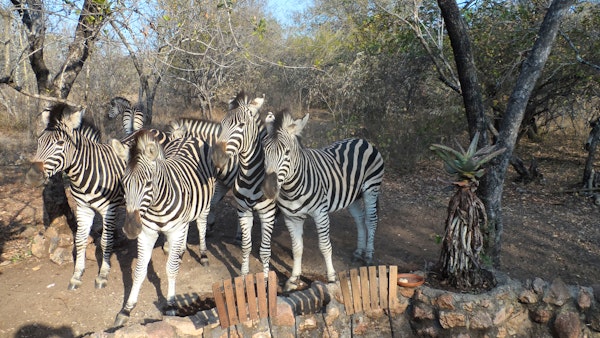
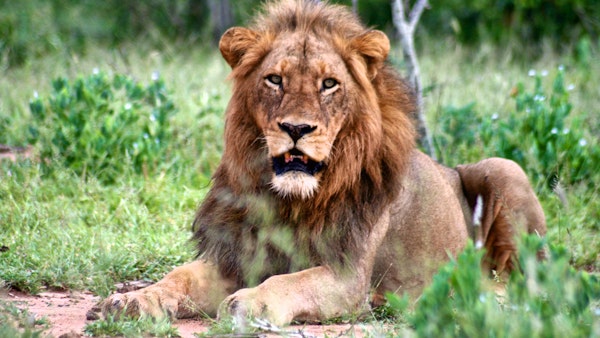
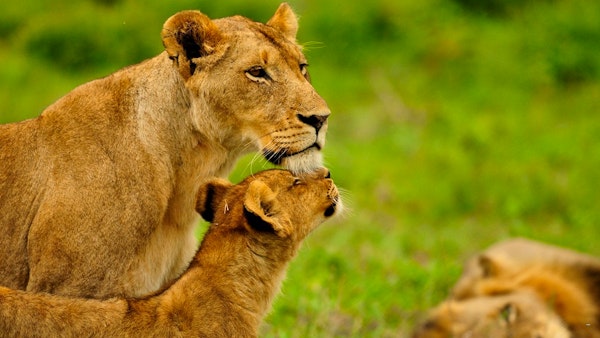
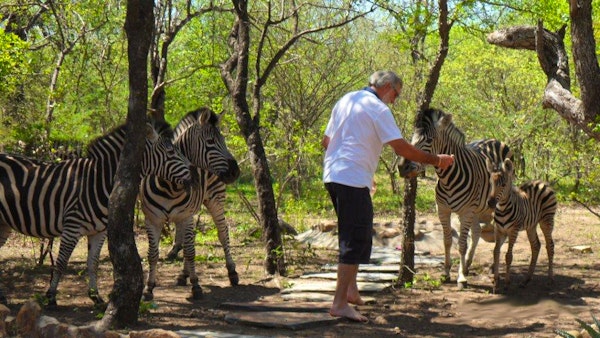
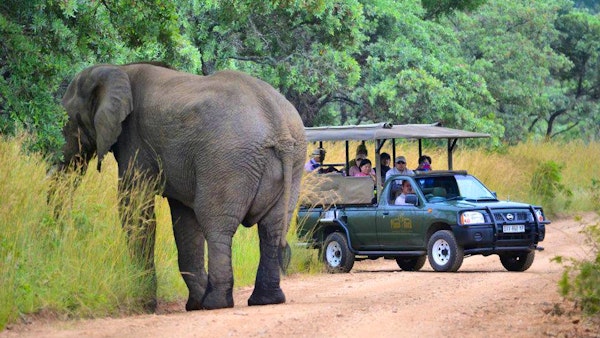
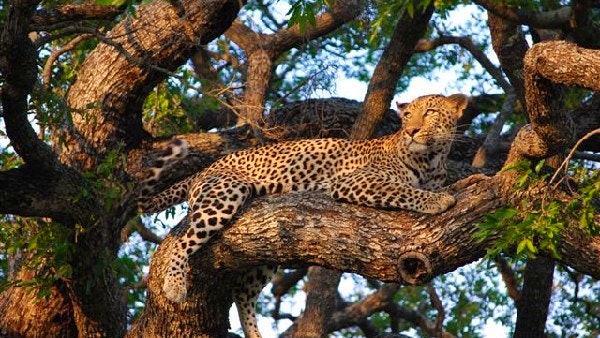
Wildlife enthusiasts will be in their element in Mpumalanga. The Kruger National Park stretches 352km from the north to the south along the South African and Mozambican border, and boasts the Big Five and plenty of plains game. Other game reserves worth a visit include Sabi-Sand Game Reserve, and Songimvelo Game Reserve.
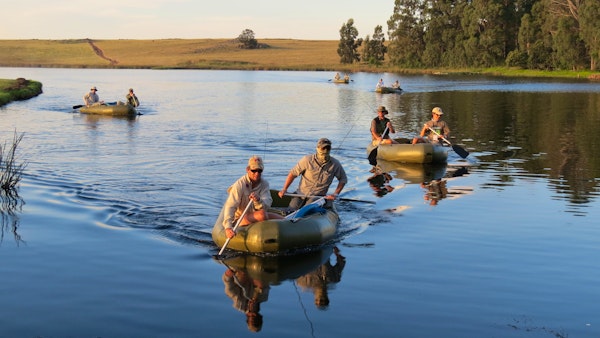
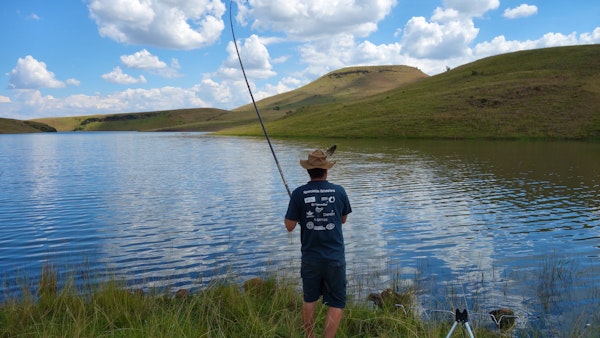
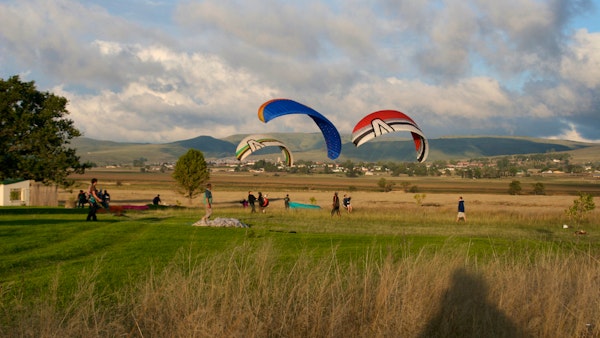
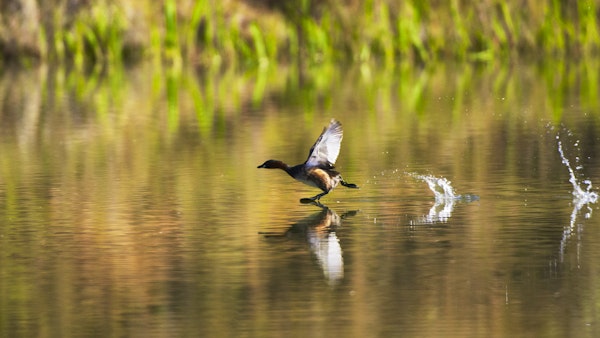
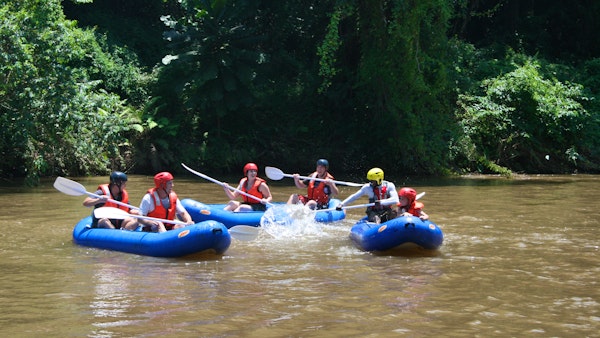
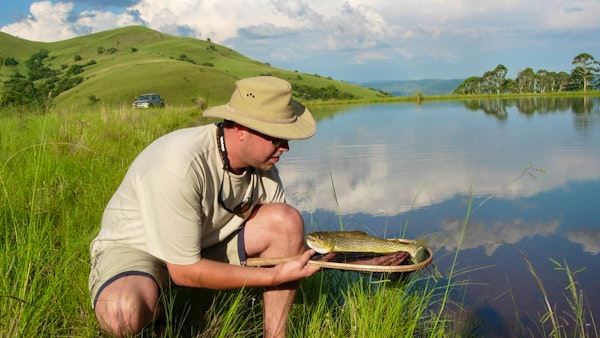
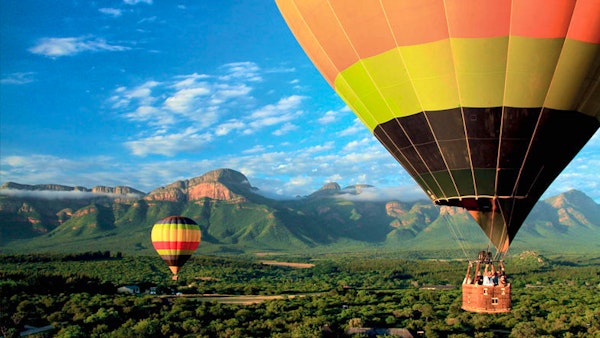
Mpumalanga are not for the faint-hearted. Adventure activities include canopy tours, helicopter flights, mountain and quad biking, rock climbing, abseiling, hot air ballooning, paragliding, cave crawling, big swings, and big game viewing. Other activities include horse riding, river rafting, birding, hiking, gold panning, fishing, canoeing, and clay pigeon shooting.
Popular tourist attractions include Chimpanzee Eden and Sudwala Caves and Dinosaur Park in Nelspruit, the Elephant Sanctuary and Perry’s Bridge Reptile Park in Hazyview, Dullstroom Bird of Prey Rehabilitation Centre, Witbank Skydiving Club, and the Echo Caves just outside of Ohrigstad.
Those interested in history will enjoy a visit to the White River History and Motor Museum and Barberton Museum. Cultural highlights include The Haute Cuisine route and Shangana Cultural Village. Looking for leisure? Play a round of golf at Badplaas Golf Course, Skukuza Golf Course, Sabie River Golf Club, and Graceland Golf Club, shop at Highveld Mall, or spend the day at The Ridge Casino and Entertainment Resort.
With so many nature, adventure, and leisure activities, Mpumalanga is the ideal holiday destination for all ages!
Map