Eastern Cape

Description
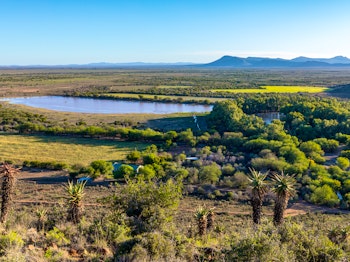
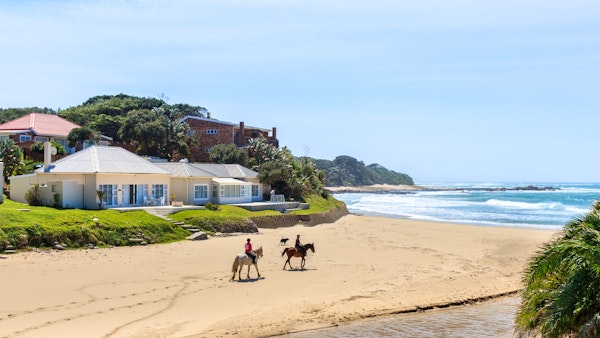
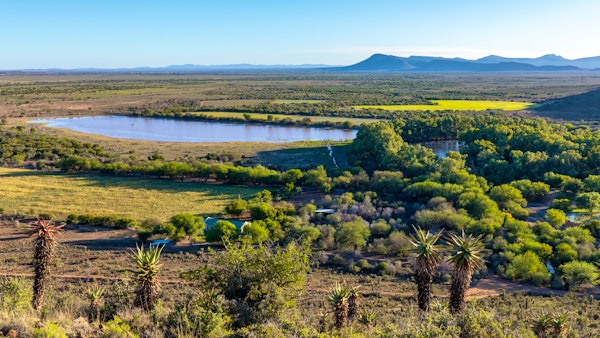
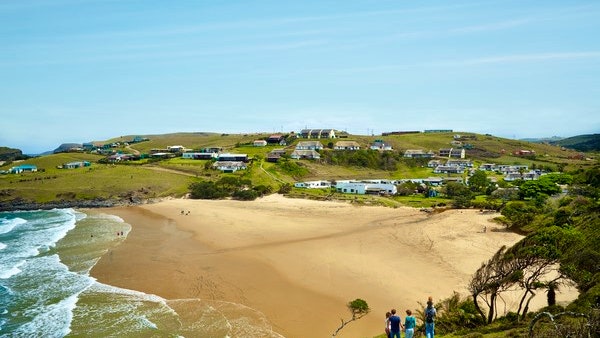
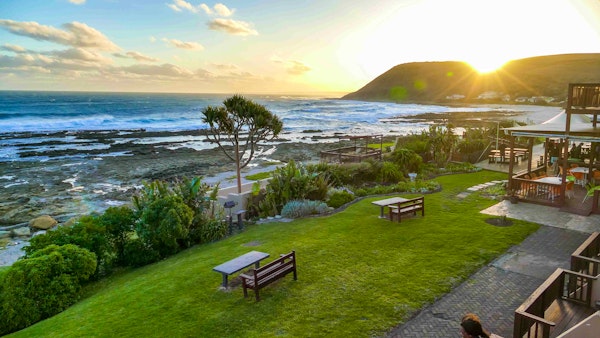
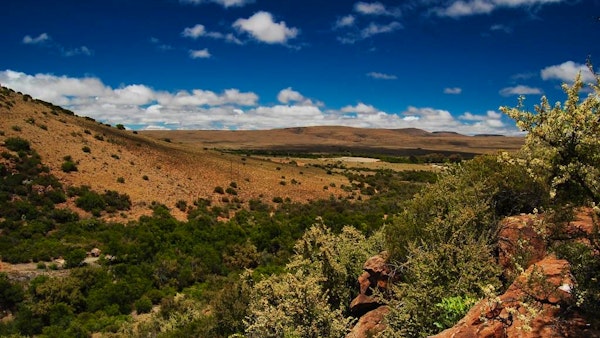
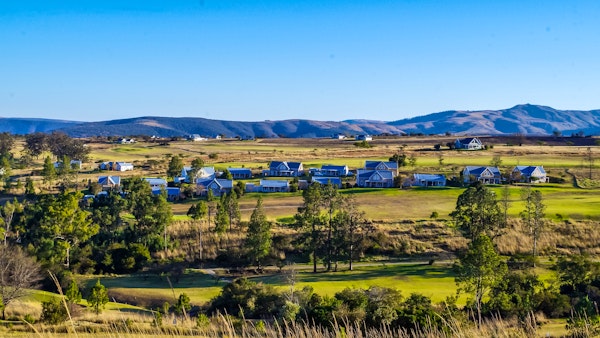
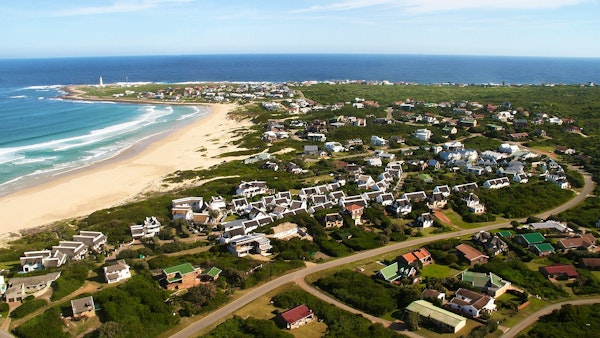
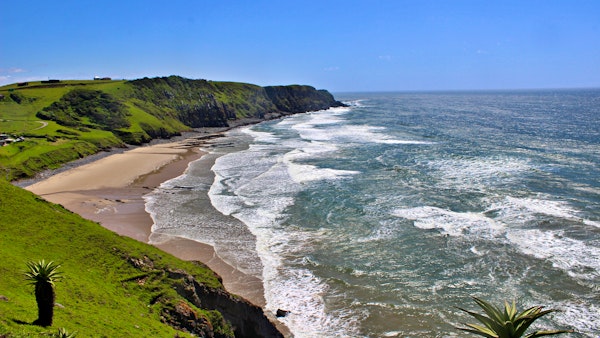
Fondly known as the Adventure Province, the Eastern Cape abounds with adventure around every corner. With 800km of pristine coastline, over 40 game reserves, heritage trails, authentic cultural experiences, Battlefields, and ancient rock art, the Eastern Cape is a wonderland of experiences for all. No matter which town you choose as your base to explore the province, we have the perfect accommodation to complete your adventure holiday.
The Eastern Cape is one of the most beautiful and interesting regions in South Africa. It enjoys a great climate with mild temperatures along the coast (16Ëš- 24Ëš averages), making it ideal for diverse outdoor attractions. Tsitsikamma Falls Adventure Park forms part of the Garden Route and is the centre of adventure tourism. It is home to the highest commercial bungee jump in the world (216m), the highest narrow gauge bridge in the world, South Africa’s first national marine park (the Tsitsikamma National Park), and the country’s first tree-top canopy tour. Hiking trails include the world famous Otter Trail (48km), the Tsitsikamma Trail (72km), and the luxurious Dolphin Trail.
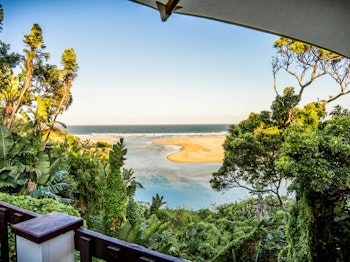
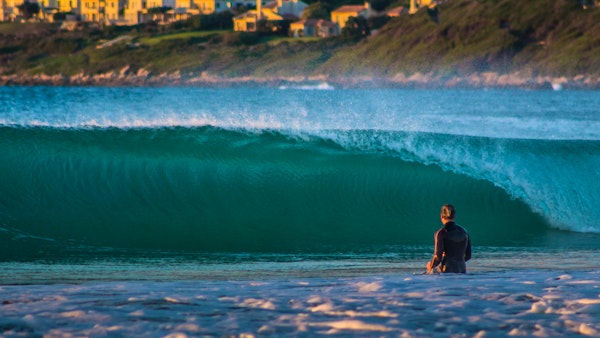
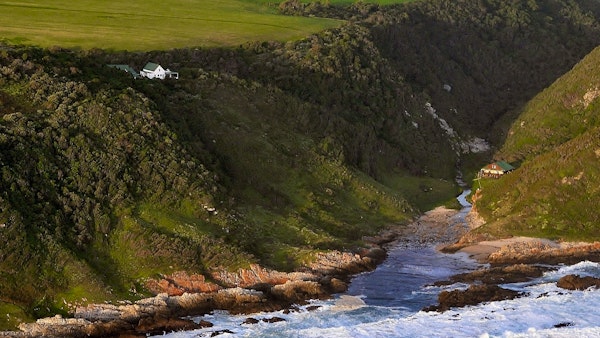
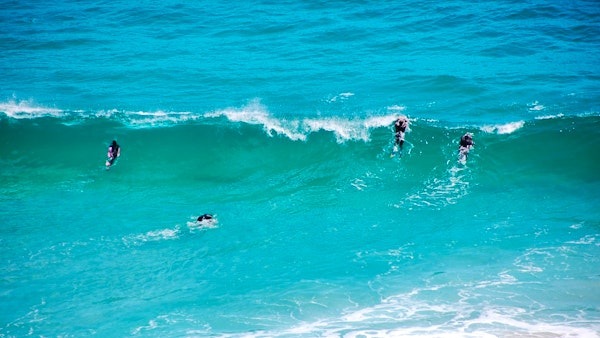
The rugged and unspoilt coastline enjoys some of the longest hours of sunshine and the warm sea is enticing for surfers, kite boarders, fishermen, sailors, and other water sport enthusiasts. The famous surfing destination of Jeffreys Bay, renowned for 11 different surf breaks and rolling swells, is the venue for the annual international Billabong Pro Surf Classic. The rocky stretches and protected bays boast spectacular scenery, but also a graveyard for many vessels. Fishing is a popular activity and visitors can enjoy recreational fishing for line fish.
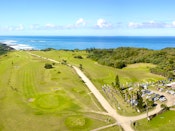
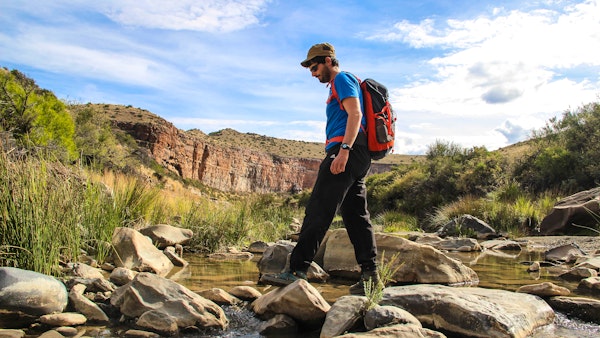
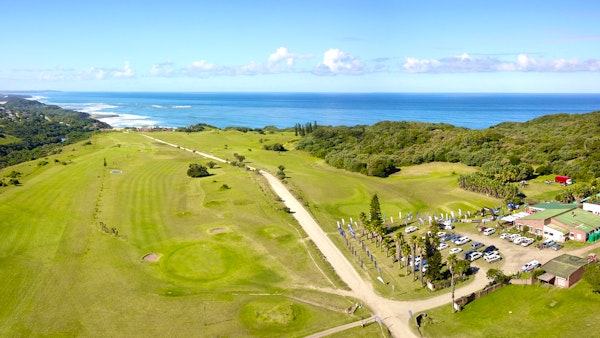
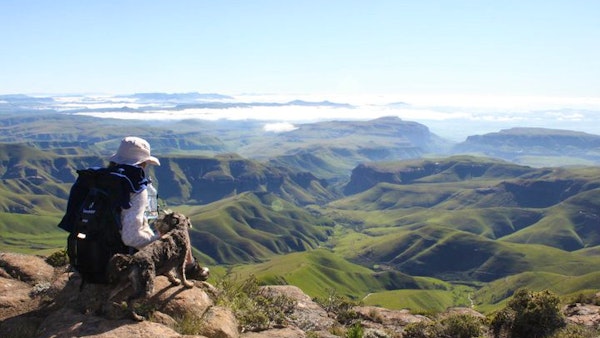
The Amathole Mountains offers world-class hiking, mountain biking, fly fishing, rock climbing, abseiling, kayaking and other adventure sports. Golfers can enjoy a selection of fine courses, including the manicured fairways of the East London Golf Club, Royal Port Alfred, Wild Coast Sun, and St Francis Bay Links.
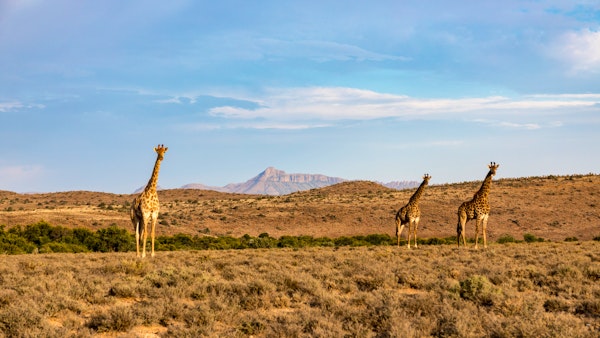
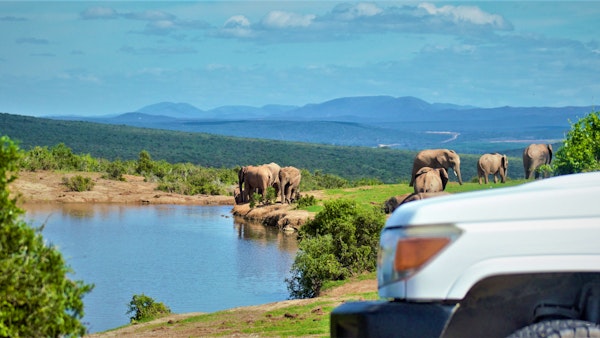
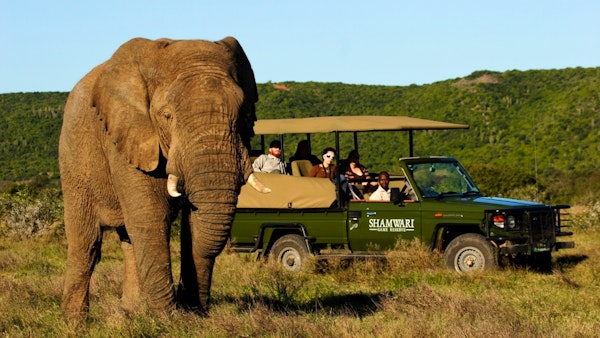
The Eastern Cape offers year-round, malaria-free game viewing in over 40 national parks, conservation areas, and coastal reserves. One of the most popular attractions is the Addo Elephant National Park, where a number of close-up elephant encounters can be enjoyed. Other reserves include Mountain Zebra, Baviaanskloof, and Great Fish River. Many reserves boast not only the Big 5, but the Big 7, including the Great White Shark and Southern Right Whale (in season) in the ocean. The coastal waters are rich in marine life and visitors are often rewarded with sightings of dolphin. Wild Coast reserves include Dwesa, Hluleka, Silaka, and Mkhambathi.
The Eastern Cape has a unique history and is the birthplace of many iconic South African leaders, including former President Nelson Mandela. History fans will enjoy the battle sites of the century-long “border warsâ€; a trip to Graaff-Reinet, South Africa’s fourth oldest town with more national monuments than any other city in South Africa; and an expedition to Barkley East to see exceptional examples of ancient San rock art. The increasingly popular local township tours offer a true spirit of “ubuntu†experience. Book your accommodation today!
Map